Gdańsk is a city where history is visible at every turn. Its streets, waterfront and architecture reflect more than a thousand years of change, from its early role within the Polish state to its rise as one of the most important trading ports on the Baltic Sea.
Historically known in German as Danzig, Gdańsk has long stood at the meeting point of different cultures, languages and political influences. This layered past has shaped the city’s unique identity and continues to influence how residents and visitors experience it today.
From Early Settlement to Baltic Trading Power
Gdańsk was first mentioned in written records in 997, during the period of the early Polish state. Its location on the Baltic coast, close to the mouth of the Vistula River, gave it a natural advantage as a centre for trade and communication.
Over the following centuries, the settlement developed into an important port city. Its access to maritime routes connected it with other European markets, helping Gdańsk grow into one of the region’s most influential commercial centres.
Gdańsk and the Hanseatic League
From the 14th century, Gdańsk became an important member of the Hanseatic League, a network of trading cities that stretched across northern Europe.
Membership in this powerful commercial alliance brought wealth and international connections. Merchants from across Europe traded goods through the city’s port, while Gdańsk’s architecture developed in ways that reflected its position as a prosperous Baltic trading centre.
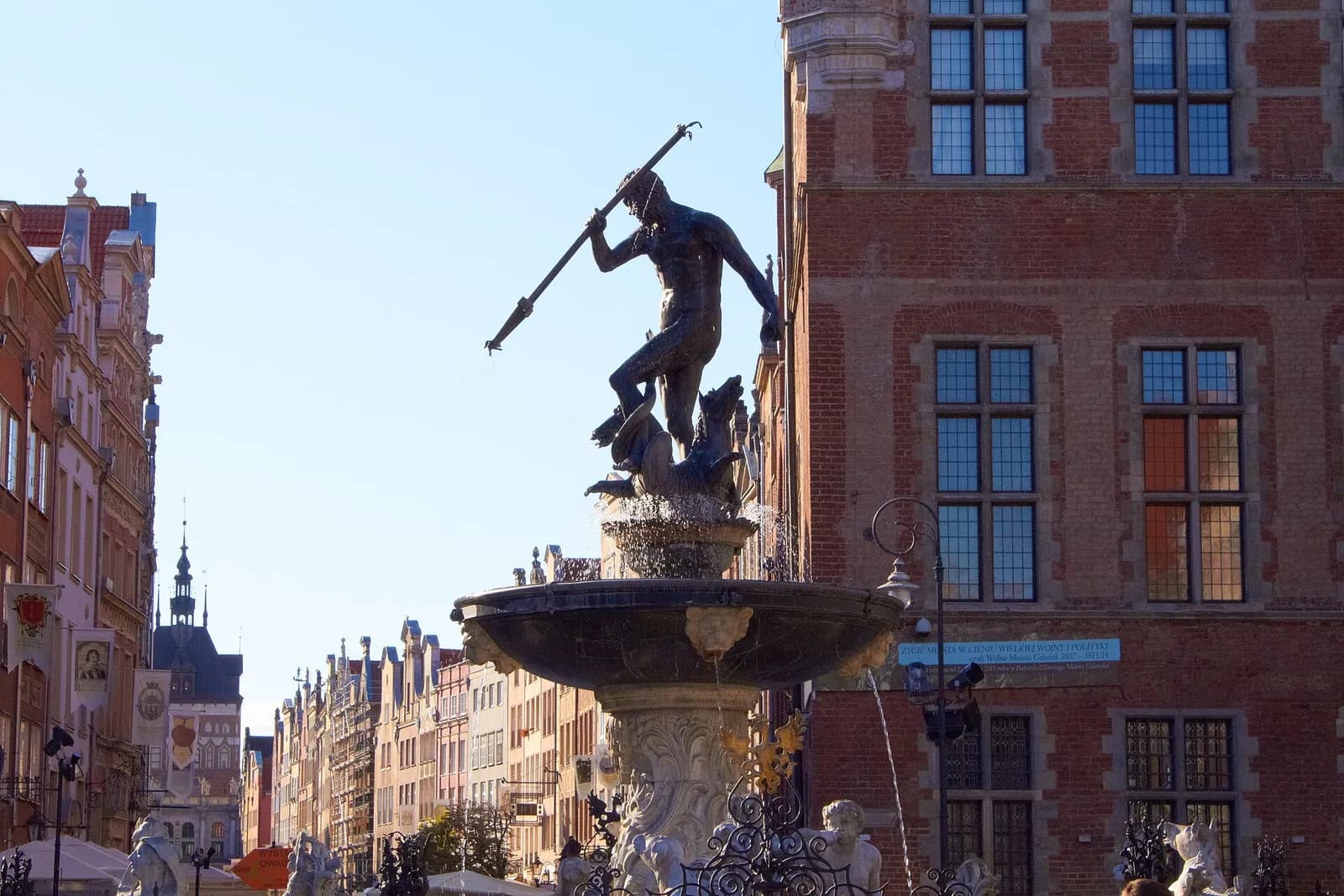
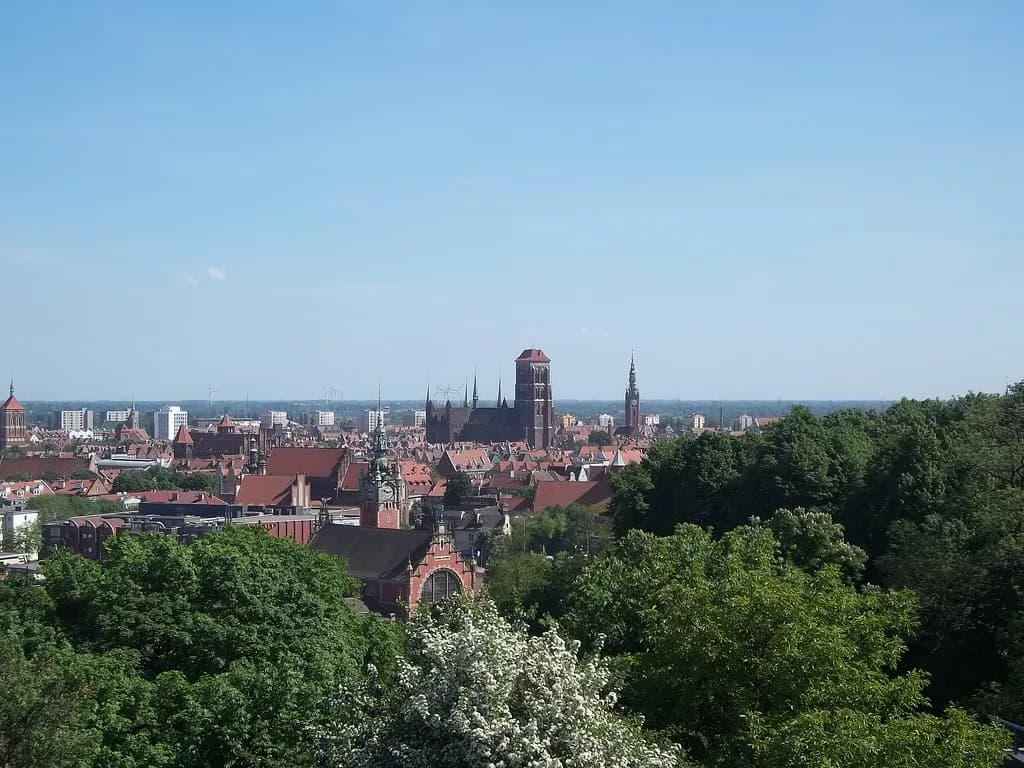
The influence of this period can still be seen today in the city’s historic buildings, merchant houses and the layout of the Main Town.
Gdańsk became one of the most important Hanseatic ports on the Baltic, competing with other major trading cities and building strong links with markets across Europe.
Between the Teutonic Order and the Polish Crown
Gdańsk’s history also reflects the changing political landscape of medieval Europe.
Between 1308 and 1457, the city was controlled by the Teutonic Order. Following the Second Peace of Thorn in 1466, Gdańsk became part of the Polish Crown while retaining significant privileges and autonomy.
For the next several centuries, the city flourished as Poland’s main maritime gateway. Its merchants maintained strong international trading networks, while the city’s political connection with Poland became increasingly important.
This combination of local independence, international commerce and links with the Polish state created a distinctive identity that set Gdańsk apart from many other European cities.
A City of Many Influences
Gdańsk’s heritage cannot be understood through a single national story. Over centuries, Polish, German and other European influences shaped the city’s culture, economy and architecture.
Its merchants, craftsmen and residents came from different backgrounds, contributing to the city’s role as a place of exchange.
This multicultural character remains one of Gdańsk’s defining features. The city’s historic centre, rebuilt after the destruction of the Second World War, continues to reflect the architectural traditions created during its centuries as a Baltic trading hub.
Remembering the Hanseatic Legacy
Today, Gdańsk continues to celebrate its connection with the Hanseatic tradition. Events dedicated to the city’s maritime and trading heritage highlight its historic role as part of a wider European network of ports.
The Hanseatic legacy is not only preserved through museums and historic buildings but also through the city’s ongoing relationship with the Baltic Sea.
Gdańsk remains a place where maritime traditions, commerce and cultural exchange continue to shape everyday life.
Understanding Modern Gdańsk Through Its Past
For new residents and visitors, exploring Gdańsk’s history offers a deeper understanding of the city’s character.
Its resilience, openness and ability to adapt have been shaped by centuries of change. From medieval merchants and Baltic trade routes to today’s international community, Gdańsk continues to be a city defined by connection.
Its past is not simply preserved in monuments. It remains part of the city’s identity, visible in its architecture, traditions and relationship with the sea.