Long avenues lined with towering trees, quiet streams flowing beneath wooden bridges and the sound of leaves moving in the wind create a very different atmosphere from the busy streets of central Gdańsk. In Oliwa Park, time seems to move at a slower pace.
Standing beneath some of the old tall trees can truly make one feel small, but it also feels like a gentle hug from nature. Many of the park's oldest trees have stood here for generations, witnessing the changing history of Oliwa from its monastic beginnings to the lively district it is today.
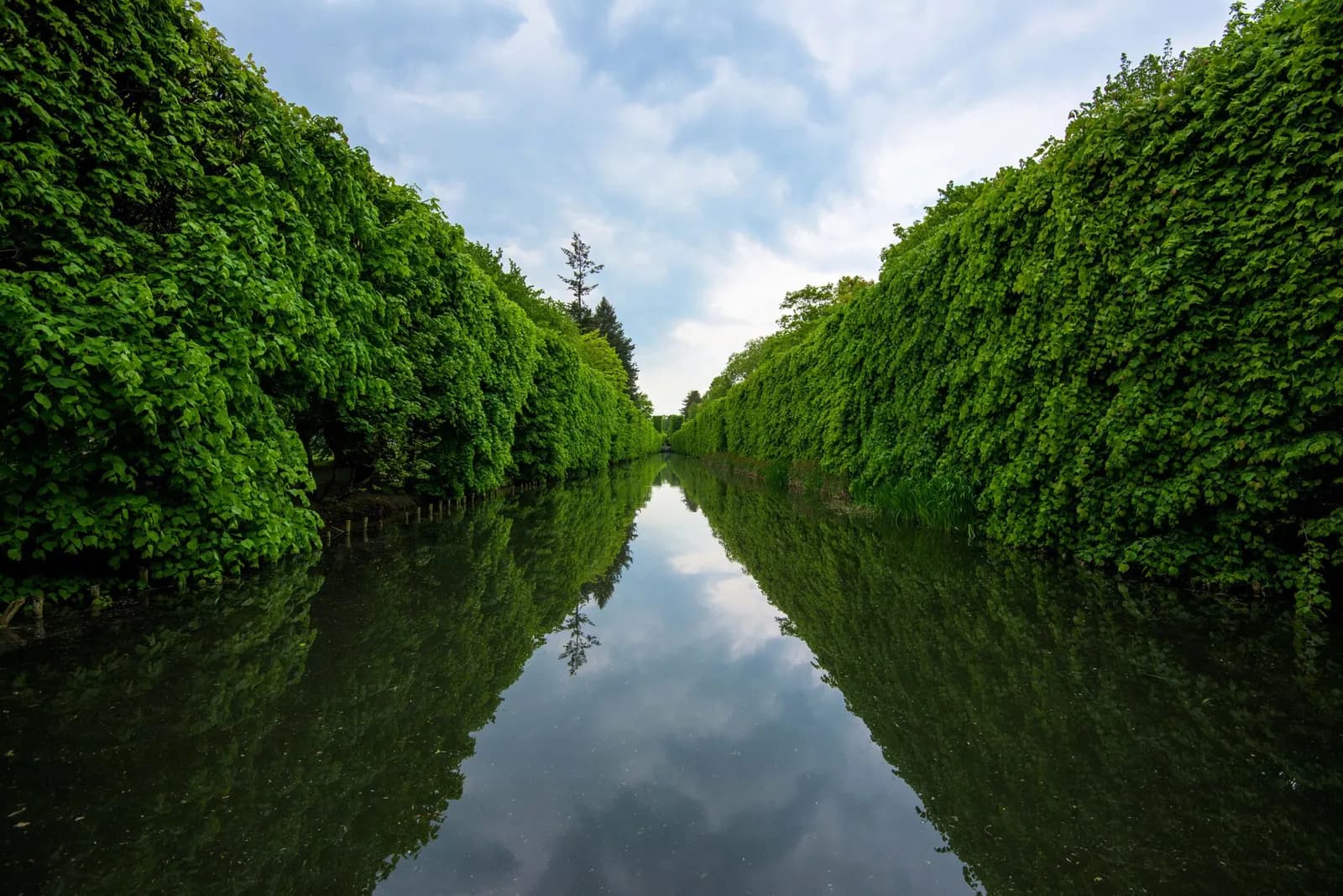
Walking through the park is not simply a route from one attraction to another. It is an experience shaped by the landscape itself. Wide paths lead beneath canopies of mature trees, sunlight filters through the branches and every season brings a new character to the gardens. In spring, fresh green leaves and flowering plants bring colour back to the park, while autumn turns the avenues into corridors of gold and amber.
For Gdańsk residents, these shaded paths are part of everyday life. People come here for a quiet morning walk, a weekend stroll with family or a few peaceful moments surrounded by nature. For visitors discovering Oliwa for the first time, the park offers a chance to experience a side of Gdańsk defined not by historic buildings alone, but by the landscapes that have grown alongside them.
A Garden Shaped Over Eight Centuries
The story of Oliwa Park begins with the Cistercian monks who established their abbey here during the 12th century. Their original gardens were practical spaces for growing herbs, fruit and vegetables to support the monastery.
Everything changed during the 18th century under Abbot Jacek Rybiński, who transformed the grounds into an elegant Baroque estate inspired by the grand gardens of Europe. Wide avenues, formal flower beds and carefully planned views created a landscape designed as much for beauty as for function.
Over the following centuries, new features were introduced while preserving the original character of the estate. Today, those layers of history remain visible, making Oliwa Park one of the finest historic parks in northern Poland.
Where Formal Gardens Meet Natural Landscapes
One of the pleasures of exploring Oliwa Park is how its atmosphere changes from one path to the next.
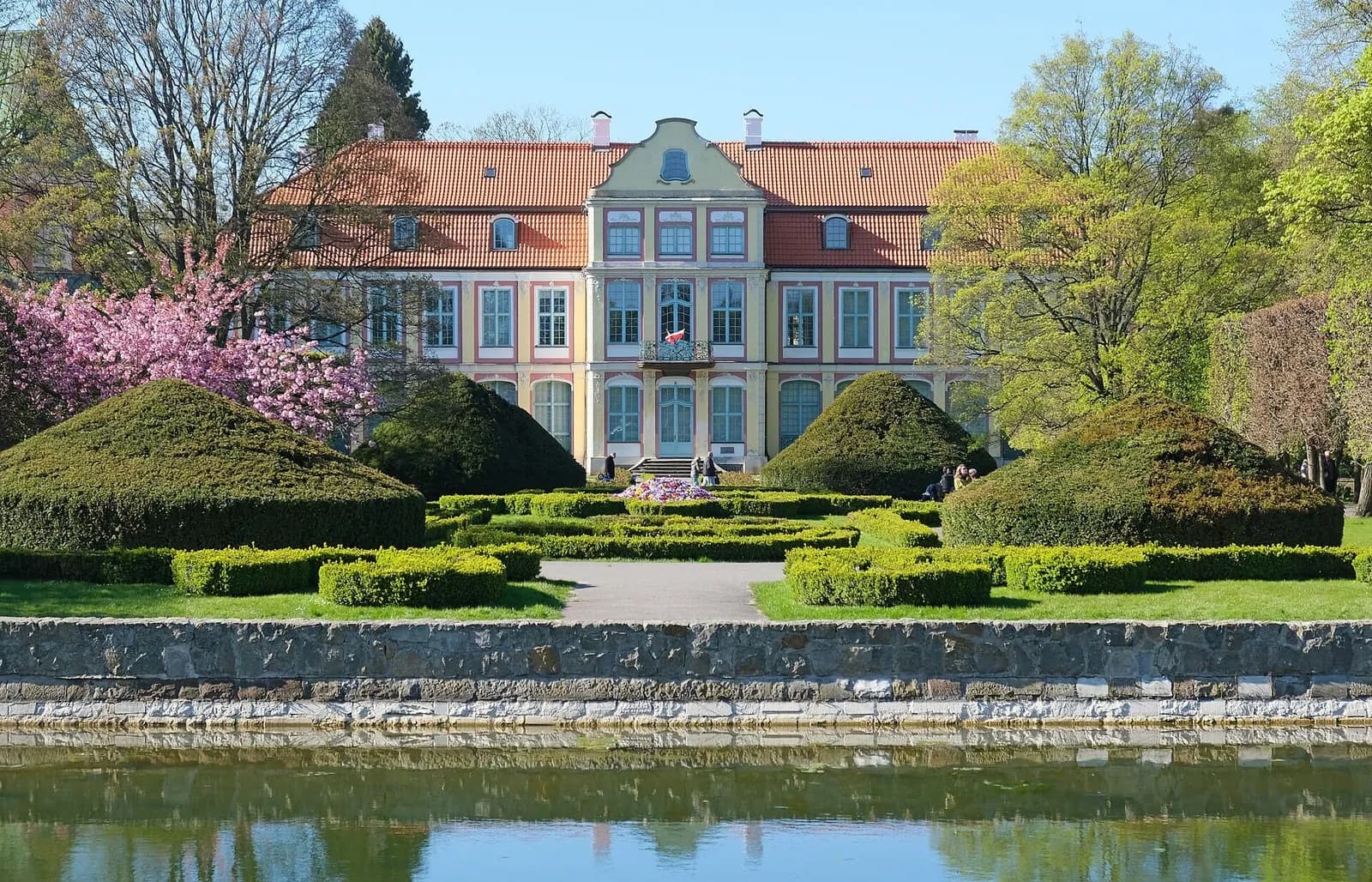
Near the heart of the park, the formal French garden displays neatly clipped hedges, symmetrical flower beds and long avenues that draw the eye towards elegant viewpoints. A little further on, the landscape softens into an English-style garden where winding paths, mature trees and gentle streams create a more relaxed setting.
The contrast between these two styles gives the park a sense of discovery. Each turn reveals a different perspective, whether it's a quiet pond, an ornamental bridge or a shaded bench beneath towering trees.
The Palm House
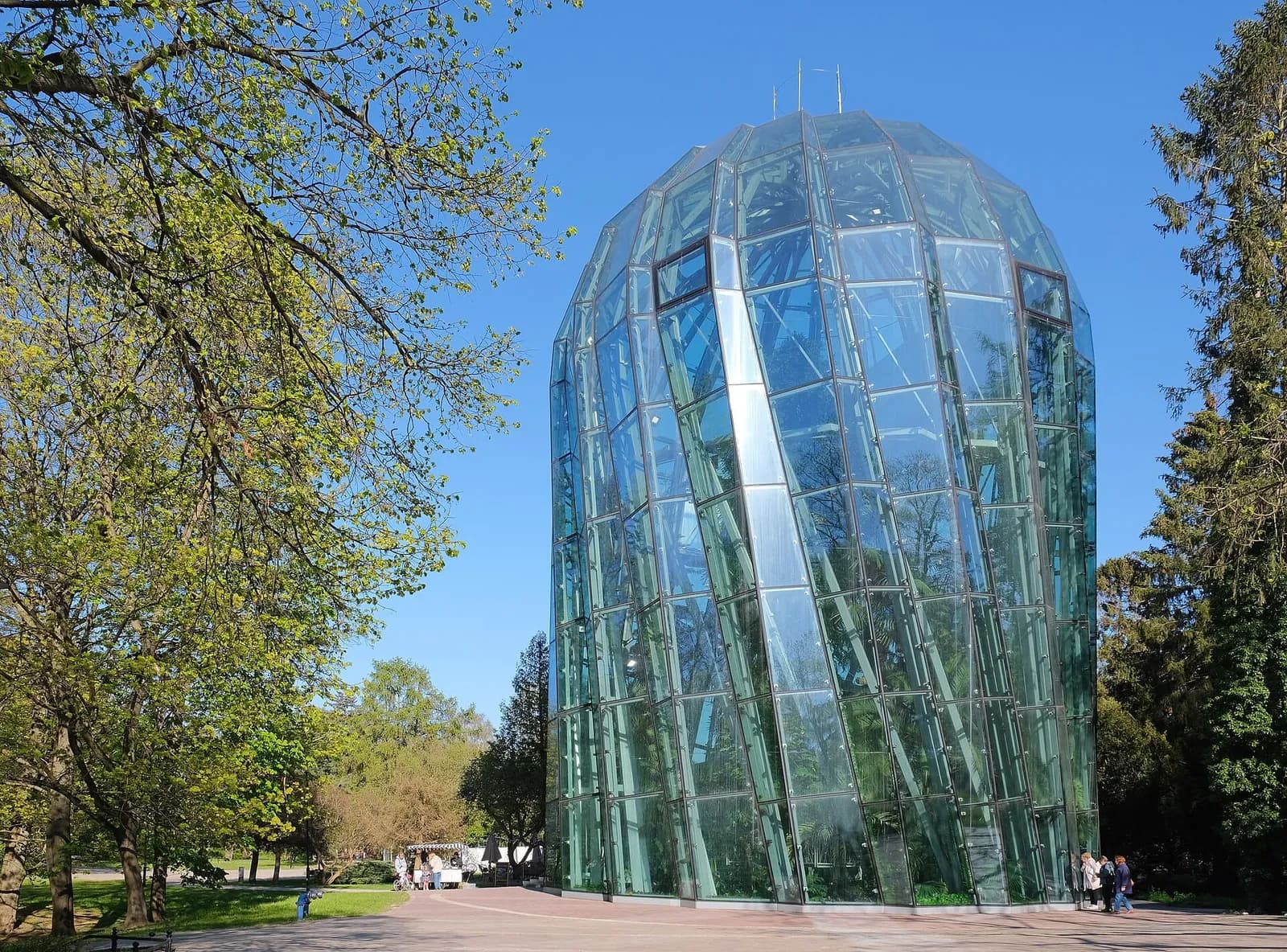
Among the park's best-known landmarks is the Palm House, whose glass structure shelters a collection of tropical and subtropical plants throughout the year.
Towering palms share the space with orchids, banana plants, cacti and other exotic species, creating an unexpected burst of greenery in the heart of Gdańsk. It has long been one of the park's most popular attractions and offers a warm retreat during the colder months.
A Touch of Japan in Oliwa
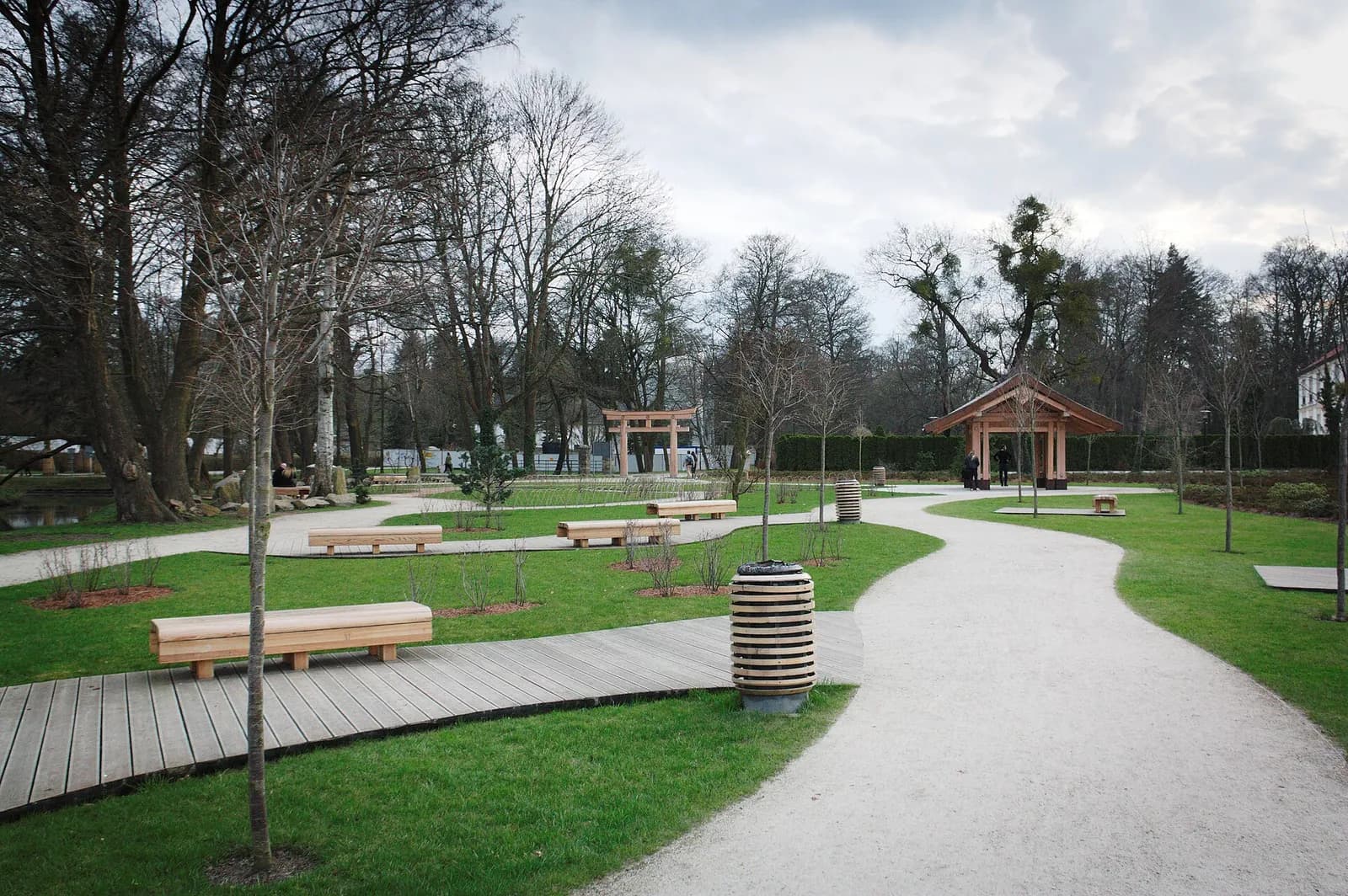
Tucked away among the trees is the Japanese Garden, one of the park's quieter corners. Inspired by traditional Japanese landscaping, it features carefully shaped shrubs, decorative stonework, wooden bridges and tranquil water features that encourage visitors to pause for a moment away from the busier paths.
Nearby, Chinese-inspired pavilions and gateways add another distinctive layer to the landscape. Although some visitors refer to this area as a Chinese Garden, these architectural features form part of the same garden setting rather than a separate, officially designated garden.
Together, they bring a subtle East Asian influence to a park whose character has been shaped by centuries of European garden design.
History Beyond the Gardens
The historic Abbots' Palace stands within the park as a reminder of Oliwa's monastic past. Once home to the abbots who oversaw the estate, it now forms part of the National Museum in Gdańsk, allowing visitors to combine a stroll through the gardens with an art exhibition in the same afternoon.
Just beyond the park gates, Oliwa Cathedral is famous for its magnificent organ concerts, making this corner of Gdańsk one of the city's richest areas for history, architecture and culture.
Changing With the Seasons
Oliwa Park has a different character with each season, adding new colours and details to its historic landscape.
In spring, the gardens come alive with flowering magnolias, rhododendrons and azaleas, while fresh greenery returns to the old avenues. Summer brings the deepest shade beneath the mature trees, making the park a popular place for walks, quiet breaks and escaping the heat of the city.
Autumn transforms the avenues with shades of gold, orange and red, creating one of the most photographed landscapes in Gdańsk. The changing colours highlight the scale and beauty of the park's historic trees, which remain one of its defining features.
In winter, when the gardens become quieter, the structure of the park becomes easier to appreciate. The pathways, waterways and carefully planned views reveal the design that has shaped Oliwa Park over centuries.
Throughout the year, the park also provides a home for ducks, swans, songbirds, woodpeckers and the red squirrels that regular visitors often spot among the trees.
One of Gdańsk's Favourite Places to Unwind
Despite welcoming visitors from around the world, Oliwa Park has never lost its role as a neighbourhood park. Residents come here to walk their dogs, read on a bench, meet friends or simply enjoy a slower pace of life beneath the trees.
Its combination of history, landscape, wildlife and culture makes it much more than a stop on a sightseeing itinerary. It is a place that continues to shape daily life in Oliwa while offering visitors a chance to experience one of Gdańsk's most beautiful and enduring green spaces.
image credit: Chris Chapman, CC BY 3.0 / kallerna, CC BY-SA 4.0 / Maciej Brencz, CC BY 2.0